The Ultimate Guide to Choosing Your Perfect Scooter
To choose a scooter, start with three questions: who is riding, how far they will go, and where. Young children need a stable three-wheel kick scooter; older kids and casual adults do well with a two-wheel kick scooter; and anyone covering more than a mile or two regularly should consider an electric scooter.
Last reviewed
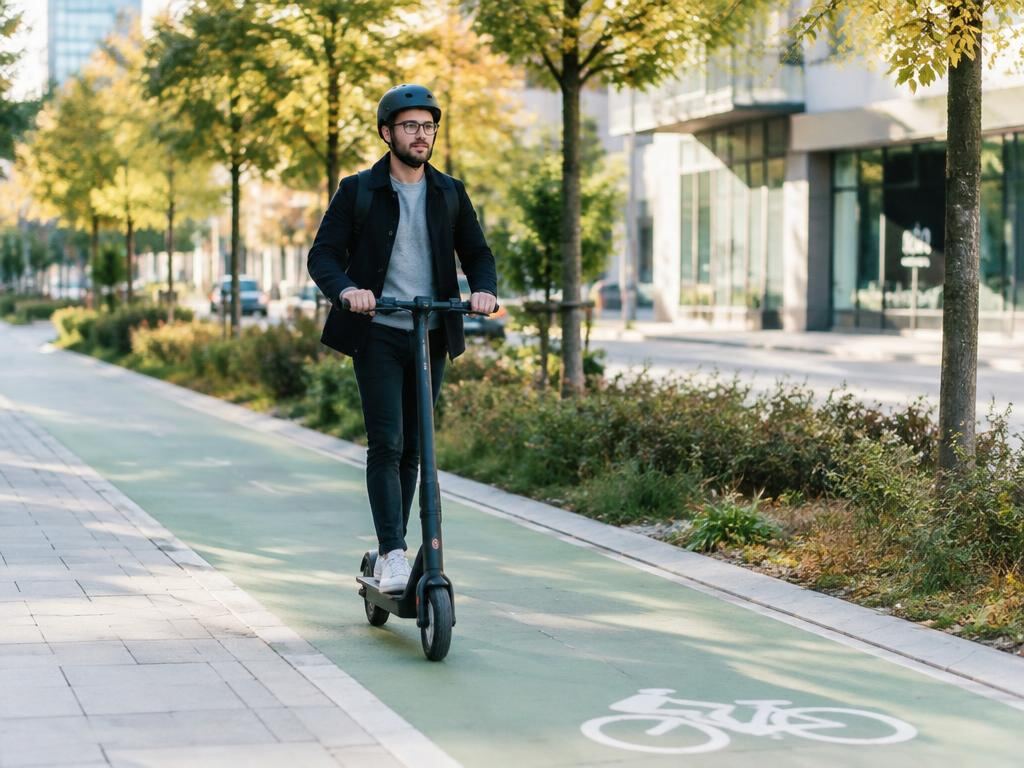
Step 1: Match the scooter to the rider
| Rider | Suggested type | Why |
|---|---|---|
| Ages 2 – 5 | Three-wheel kick scooter | Stable when stopped; lean-to-steer builds balance |
| Ages 5 – 12 | Two-wheel kick scooter, adjustable bar | Grows with the child, light to carry |
| Teens | Kick, trick or entry e-scooter (check age rules) | Depends on use: skatepark vs. getting around |
| Adults, short trips | Large-wheel kick scooter | Cheap, quiet, no charging |
| Adults, regular commute | Commuter electric scooter | Covers distance without effort |
Step 2: Decide between kick and electric
Kick scooters are lighter, cheaper and need almost no maintenance. Electric scooters cost more and weigh more, but they make longer or hillier trips practical. Our detailed comparison walks through the trade-offs.
Step 3: Check the features that matter
Wheels and tires
Bigger wheels roll over cracks more easily. Air-filled tires are more comfortable; solid tires are puncture-proof.
Brakes
Kick scooters usually have a rear fender brake. On electric scooters, look for at least one mechanical brake.
Weight and folding
If you will carry it, the scooter's own weight is as important as its range.
Rider weight limit
Stay within the manufacturer's limit for safety and to protect the frame and motor.
Certification
For electric scooters, a UL 2272 certified electrical system reduces battery fire risk.
Step 4: Gear up
A helmet should be part of every scooter purchase. For beginners, add wrist guards and knee pads.
Ready for the next step?
Take the Scooter Selector Quiz